Buying Love in India is one of a kind of book that I have come across in my reading journey of more than two decades. I don't think I have read anything like it before. Aili Seghetti, an intimacy curator and sex coach, draws from her professional experiences and shares accounts of the clients she has encountered throughout her career in India. These are individuals who have approached her with questions and concerns surrounding sex, intimacy, relationships, desires and their own understanding of sexuality.
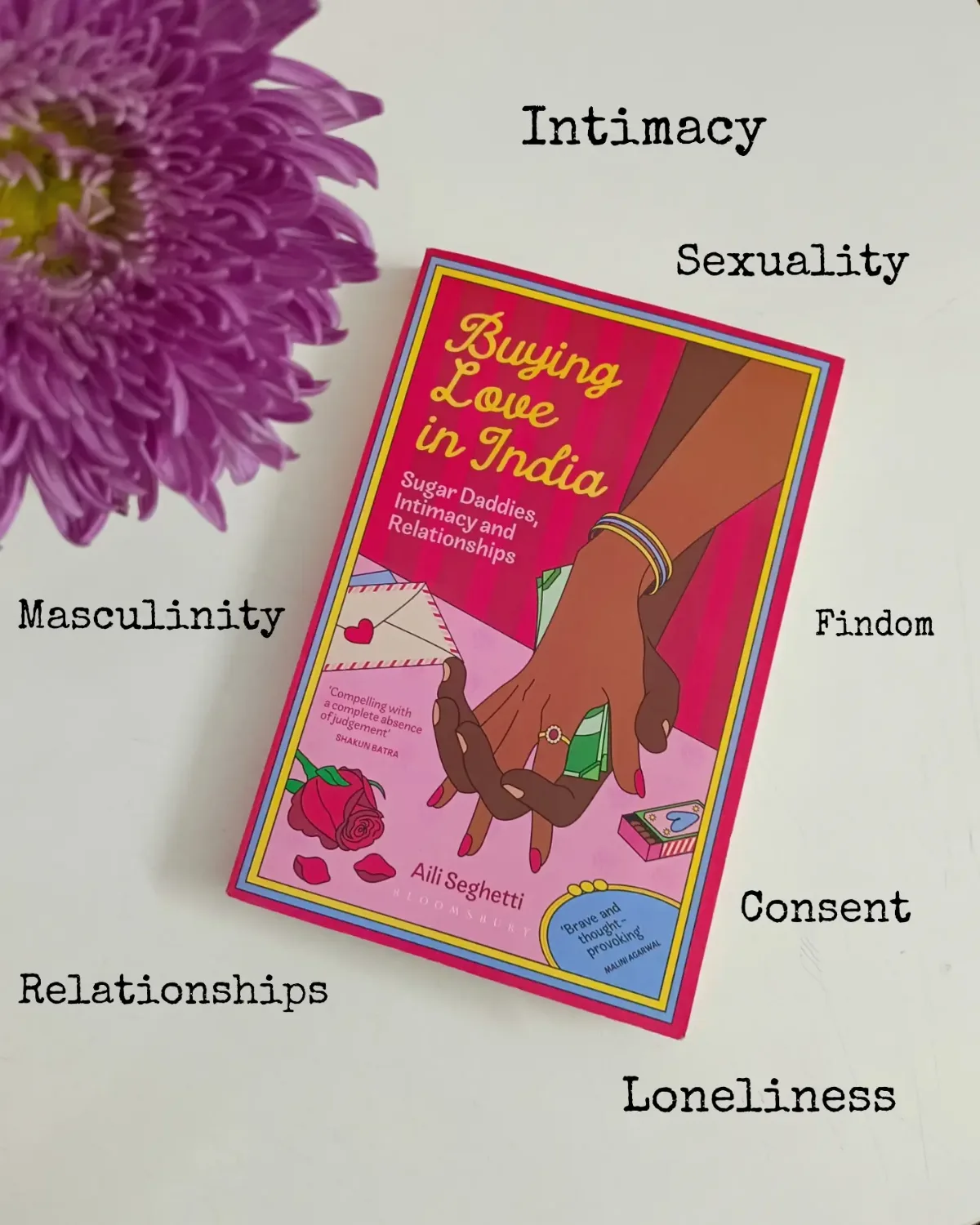
For me, this was not just a thought-provoking read but also a rather shocking one at times. There are so many things about sex and intimacy that we, as Indian women, hardly know or openly discuss. In fact, we rarely have conversations about sex, even with our partners. It is an uncomfortable subject for many of us. And this is rather interesting when we consider that we come from a culture that gave the world the Kama Sutra and has temples and deities such as Kamakhya Devi associated with fertility and sexuality. Yet, when it comes to women openly discussing their sexual desires, needs and experiences, there is still so much hesitation and silence.
It is something we rarely bring up in our everyday conversations. At the same time, dating culture in contemporary India has evolved and become increasingly sexualised. But how much do we really understand about intimacy, consent and emotional connection?
Through these real-life experiences, Aili explores how Indian men understand intimacy, sexuality, consent and relationships. Some of the accounts are quite startling, and there were moments when I genuinely found myself thinking, Oh, this happens too! A few clients come across as rather complicated, while others seem genuinely lost and confused, struggling to understand their own desires and redefine what masculinity means to them.
Aili Seghetti brings forward the fact that how deeply masculinity continues to be associated with sexual performance. For many men, their sense of masculinity seems directly proportional to how they perform in bed. This also makes it difficult for them to acknowledge their vulnerabilities, communicate their emotional needs or express their sexual concerns in a healthy manner. There is so much shame and insecurity surrounding these conversations that even understanding one's own desires becomes a struggle.
Drawing from her experiences as an intimacy and sex coach, Aili takes us into the rapidly changing landscape of intimacy and pleasure in modern India. The book explores fundamental human urges that often remain buried under layers of secrecy, shame and social conditioning. From paid encounters and sugar daddy relationships to the search for emotional connection, there is so much to unpack here about sexuality, relationships, desire and the ways people seek intimacy.
These accounts also encourage conversations around abuse, heteropatriarchal domination and violence. These are not isolated issues. They are deeply connected to the way society understands power, gender and relationships. Women and sexual minorities often bear the consequences of these attitudes, but men, too, are affected by the rigid expectations imposed on them.
Aili Seghetti also touches upon the loneliness epidemic that we hear so much about these days. It makes you realise that no matter what form of sex or intimacy a person seeks, or what kind of relationships they choose to pursue, none of it can truly substitute for basic human empathy, emotional connection and communication. Physical intimacy may fulfil certain desires, but the need to be heard, understood and acknowledged is something else altogether.
I was so engrossed in this book that I literally couldn't put it down. It also made me think about people around me and the conversations we rarely have.
I genuinely believe Buying Love in India is an important book, and every adult should read it at least once in their lifetime. Not necessarily because everyone will agree with everything in it, but because it opens up conversations that we desperately need to have about sex, intimacy, loneliness, relationships and the very human need for connection.
It is not necessarily an easy or comfortable read, but it certainly makes you reflect. I would recommend this book to readers who are willing to step outside their comfort zones and engage with an aspect of contemporary Indian society that deserves far more open discussion.